
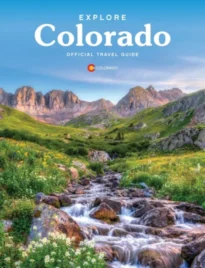
Colorado Travel Guide
Colorado offers a dramatic blend of high-altitude peaks, vast plains, and vibrant cultural hubs that cater to every type of adventurer. The scenery is breathtaking. Visitors find themselves surrounded by more than fifty peaks that rise above 14,000 feet, creating a backdrop that stays impressive year-round. Hikers seek quiet solitude while others enjoy the bustling energy of historic mining towns. It’s about the way the light hits the red rocks and the crisp air that greets early risers in the high country. Planning a trip requires understanding the seasonal shifts that define the local experience. From the golden aspens of autumn to the deep powder of mid-winter, every month brings a new reason to visit. This Colorado Travel Guide ensures that travelers maximize their time in the state’s high-altitude peaks and historic regions.
Exploring Scenic Road Trips and Untamed Nature
Exploring the vast wilderness of the Rocky Mountains often begins with a journey along one of the state’s twenty-six designated scenic and historic byways. These routes offer more than just a way to get from point A to point B. They serve as a front-row seat to some of the most diverse ecosystems in North America. Driving through the San Juan Skyway provides views of jagged summits and historic towns like Silverton, where the air feels thinner and the history is palpable. Travelers often stop to photograph the iconic Maroon Bells, two peaks mirrored in a still alpine lake that exemplify the natural beauty of the region.
Moving south, the landscape shifts from snowy heights to the massive dunes of Great Sand Dunes National Park. This geological wonder features the tallest sand dunes in North America, nestled right against the base of the Sangre de Cristo Mountains. It’s a surreal sight where visitors can hike up shifting sands while looking at snow-capped peaks in the distance. Further west, the Black Canyon of the Gunnison provides a stark contrast with its sheer, dark walls and dramatic drop-offs that challenge the senses.
Nature lovers frequently flock to Rocky Mountain National Park to witness the elk rut or hike the tundra above the treeline. Trail Ridge Road, the highest continuous paved highway in the United States, takes drivers to elevations where the vegetation is minimal but the vistas are infinite. These experiences define the rugged spirit of the West. Every turn on a mountain road reveals a new perspective on the land, making every mile of the journey feel like a destination in itself.
Must-Visit Landmarks for Nature Enthusiasts
- Trail Ridge Road: Drivers ascend to 12,183 feet on this highway, crossing the Continental Divide while enjoying panoramic views of the alpine tundra and spotting local bighorn sheep.
- Garden of the Gods: This National Natural Landmark in Colorado Springs features towering red rock formations that contrast sharply against the blue sky, offering world-class hiking and climbing paths.
- Mesa Verde: History enthusiasts explore well-preserved Ancestral Puebloan cliff dwellings, providing a window into the lives of people who inhabited these intricate stone structures over seven hundred years ago.
- Royal Gorge: Home to one of the world’s highest suspension bridges, this site allows visitors to peer down 1,000 feet into the Arkansas River for a dizzying experience.
- Mount Blue Sky: Formerly known as Mount Evans, this peak offers a paved road to the summit, making it possible for travelers to reach a fourteener by car.
World-Class Skiing and Winter Adventure
Winter transforms the landscape into a premier destination for athletes and families who crave the legendary ‘Champagne Powder’ found in the high country. This Colorado Travel Guide highlights the importance of choosing the right resort, as each mountain offers a distinct personality and terrain variety. Vail stands as a massive icon with its legendary Back Bowls, providing vast expanses of ungroomed snow for those who want a challenge. Nearby, Beaver Creek offers a more refined experience where heated sidewalks and freshly baked cookies meet meticulously groomed runs.
Further into the mountains, Aspen consists of four separate ski areas, each catering to different skill levels and social vibes. While Aspen Mountain attracts seasoned experts, Buttermilk serves as a haven for beginners and freestyle enthusiasts. The town itself retains its silver-mining charm while hosting world-class dining and high-end shopping. For those looking for a more laid-back atmosphere, places like Steamboat Springs emphasize a Western heritage with its Ski Town, USA nickname and famous natural hot springs.
Skiing and snowboarding aren’t the only draws during the colder months. Many visitors enjoy snowshoeing through quiet pine forests or taking a horse-drawn sleigh ride under the stars. The backcountry scene also thrives, though it requires proper training and gear to stay safe in the wild terrain. Regardless of the chosen activity, the mountain air and the community spirit of the base villages create a unique winter culture that draws people back year after year. The diversity of the terrain ensures that everyone finds their perfect slope.
Finding the perfect balance between adventure and relaxation is the hallmark of a successful trip to the mountains. From the high-speed thrills of a world-class ski resort to the quiet contemplation found in a remote National Forest, the options are nearly limitless. Visitors who take the time to explore the lesser-known paths often find the most rewarding memories, whether it’s a hidden waterfall or a small-town festival. The state’s natural grandeur serves as a constant reminder of the beauty of the American West. Wise travelers often plan their itineraries around these seasonal shifts to ensure they don’t miss the best conditions. This strategy helps streamline the process so visitors can focus on making the most of every moment. To start planning your next great adventure, visit the official Colorado Travel Guide.