
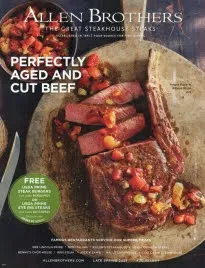
Long before home delivery became a standard convenience, Allen Brothers established itself as the premier source for high-end meats in the heart of Chicago. Founded in 1893 within the historic Union Stockyards, the company spent decades operating primarily as a wholesale supplier for the most prestigious steakhouses in the United States. This heritage of supplying elite restaurants means the products available to individual consumers meet rigorous specifications that are far more demanding than typical grocery store offerings. The catalog represents a direct line to these professional-grade cuts, emphasizing the same quality standards that have kept them in business for over a century. By maintaining strict control over their sourcing and utilizing traditional butchery techniques, the brand ensures that every steak delivered to a residential doorstep carries the same marbling, texture, and flavor profile expected at a five-star dining establishment. This transition from exclusive wholesaler to a consumer-facing powerhouse has made restaurant-quality beef accessible to anyone looking to elevate their home cooking experience.
Navigating the options within the catalog reveals a focus on variety and precision that caters to diverse palates and culinary requirements. The selection spans the entire spectrum of luxury meats, including hand-carved USDA Prime beef, buttery Japanese Wagyu, and delicate veal. Beyond just the meat itself, the catalog serves as a guide for those seeking specific aging processes, such as the concentrated flavor of dry-aged steaks or the tenderness of wet-aged cuts. Because the company prioritizes the top tier of available beef, shoppers can find items that represent the upper echelon of the USDA grading system, which accounts for less than three percent of all beef produced in America. This commitment to excellence is paired with a logistics system designed to maintain the integrity of the product from the processing facility to the kitchen table. Each order is handled with a focus on temperature control and careful packaging, ensuring the product arrives in peak condition. For anyone serious about the quality of their protein, the following breakdown explores the specific categories and advantages offered through this iconic Chicago institution.
The Rich Heritage of Chicago Butchery
The story of Allen Brothers is deeply intertwined with the history of the American meatpacking industry. Operating out of the Chicago Stockyards during the city’s peak as the meat capital of the world allowed the company to refine its selection process over generations. This long-standing presence in the industry granted the brand access to the finest cattle from the Midwest, a region famous for producing corn-fed beef with superior marbling. While many other suppliers moved toward automated processing, this catalog features meats that are still largely hand-cut by master butchers. This human element is crucial because a machine cannot judge the specific fat distribution of an individual loin as effectively as a skilled professional. By sticking to these traditional methods, the brand maintains a level of consistency that is hard to replicate in larger, more commercial operations.
The Evolution of Wholesale Excellence
Originally, getting a taste of these steaks required a reservation at a high-end restaurant in New York, Chicago, or Las Vegas. The wholesale division remains a massive part of the business, but the catalog has effectively bridged the gap for the home chef. This shift happened as consumers became more educated about beef grades and aging processes, leading to a demand for professional-grade ingredients in residential kitchens. Today, the catalog is not just a place to find food; it is a resource for sourcing the exact same cuts used by Michelin-starred chefs. This democratization of high-end beef means that the local backyard griller can now work with the same raw materials as the professionals who define the steakhouse industry.
Understanding the USDA Prime Distinction
One of the core features of the selection is the heavy emphasis on USDA Prime beef. Most people are familiar with the term, but few realize how rare it actually is. The USDA grades beef based on several factors, with marbling and maturity being the most important. Marbling refers to the intramuscular fat that melts during cooking, providing the steak with its flavor and juiciness. To earn the Prime designation, a carcass must show an abundant amount of this fat. In the Allen Brothers catalog, the USDA Prime options represent a further refinement, as their buyers select only the best of the Prime category. This ensures that even within the top three percent of beef, the customer receives the absolute best available cuts.
The Science of Marbling and Flavor
Marbling is the secret to a great steak, and the catalog highlights this through its detailed product descriptions. When heat is applied to a steak with high marbling, the fat liquefies and bastes the meat from the inside out. This process results in a texture that is significantly more tender than Choice or Select grades. The casual steak enthusiast will notice a profound difference in the richness of the meat, especially in cuts like the ribeye or the strip steak. Because the brand focuses on corn-fed cattle, the flavor profile is often described as sweet and buttery, a hallmark of traditional American beef that stands in contrast to the more earthy tones of grass-fed alternatives.
Dry-Aged vs Wet-Aged Steaks
A significant portion of the catalog is dedicated to the aging process, which is fundamental to the flavor and texture of the meat. There are two primary methods: dry-aging and wet-aging. Wet-aging is the most common method used in the United States. The meat is vacuum-sealed in its own juices, allowing the natural enzymes to break down the connective tissue without any moisture loss. This results in a very tender steak with a clean, metallic beef flavor. It is a great choice for those who prefer a more traditional steak experience without the intense funk of dry-aging.
The Art of Dry-Aging
For those seeking a more complex flavor profile, the dry-aged section of the catalog is a must-see. Dry-aging involves hanging the beef in a temperature and humidity-controlled environment for several weeks, usually between 28 and 60 days. During this time, moisture evaporates from the meat, concentrating the beef flavor. Simultaneously, natural enzymes break down the fibers, making the meat incredibly tender. The result is a steak with a nutty, almost cheese-like aroma and a depth of flavor that cannot be achieved through any other method. The catalog offers a variety of dry-aged cuts, allowing enthusiasts to experiment with different lengths of aging to find their preferred intensity.
The World of Wagyu: American and Japanese
For the ultimate luxury experience, the catalog features an extensive Wagyu collection. Wagyu is a breed of cattle known for its genetic predisposition to intense marbling. The catalog offers two main types: Japanese A5 Wagyu and American Wagyu. Japanese A5 is the highest possible grade of beef in the world. It comes from specific regions in Japan, such as Miyazaki or Kagoshima, and is characterized by a snowflake-like fat pattern. This meat is so rich that it is typically consumed in small portions, as the fat melts at room temperature and provides an almost creamy mouthfeel.
The Best of Both Worlds: American Wagyu
American Wagyu is a cross between Japanese Tajima cattle and traditional American breeds like Black Angus. The goal of this crossbreeding is to create a steak that has the intense marbling of Japanese beef while retaining the robust, beefy flavor that American consumers love. The catalog features American Wagyu cuts that are perfect for those who want a steak that is more substantial than the Japanese A5 but still significantly more tender and flavorful than a standard USDA Prime steak. This category has become a favorite for many home cooks because it offers a unique middle ground that works well for traditional grilling and searing methods.
Beyond the Steak: Seafood and Gourmet Sides
While beef is certainly the star of the show, the Allen Brothers catalog is a comprehensive gourmet resource. The seafood selection is particularly impressive, featuring wild-caught options that meet the same high standards as the meat division. From massive cold-water lobster tails to succulent scallops and king crab legs, the seafood offerings allow for a complete surf-and-turf experience. Each item is sourced from sustainable fisheries and flash-frozen at the peak of freshness to ensure that the quality remains intact during transit.
Completing the Meal with Appetizers and Sides
A great meal is about more than just the main course, and the catalog includes a variety of prepared sides and appetizers to round out the dining experience. These items are designed to be easy to prepare while maintaining a high level of quality. Options often include classic steakhouse favorites like creamed spinach, scalloped potatoes, and artisanal appetizers like bacon-wrapped scallops or wagyu beef sliders. By offering these pre-prepared components, the catalog makes it simple to recreate a full steakhouse dinner without spending hours in the kitchen on prep work. This convenience is a major draw for busy hosts who want to impress guests with a professional-level spread.
Shipping, Packaging, and the Unboxing Experience
One of the biggest concerns with ordering luxury food online is the shipping process. Allen Brothers has spent decades perfecting their logistics to ensure that perishables arrive in perfect condition. The catalog outlines a shipping process that utilizes heavy-duty coolers and dry ice or gel packs, depending on the season and the destination. Each cut is vacuum-sealed to prevent freezer burn and maintain freshness. This attention to detail extends to the unboxing experience, which feels premium and reflects the quality of the products inside.
Reliable Delivery for Every Occasion
The shipping system is designed to be flexible, offering various delivery speeds to accommodate different needs. Whether someone is planning a weekend barbecue or needs a last-minute gift, the tracking and notification system keeps the customer informed at every step. The company’s experience in the wholesale industry means they are used to tight deadlines and high stakes, a mindset that carries over into their retail operations. This reliability is a key factor in why many customers return to the catalog year after year for their holiday meals and special events.
Choosing the Right Gift Collections
The catalog is also a top destination for gift-giving. Because high-quality meat is a universal luxury, a box of USDA Prime steaks is a popular choice for corporate gifts, anniversaries, and holidays. The brand offers pre-curated gift collections that take the guesswork out of the selection process. These boxes often combine a variety of cuts, such as filets and ribeyes, providing a well-rounded sampling of the best the company has to offer. Some collections even include specialized items like steak butters or signature seasonings to help the recipient get the most out of their meat.
Customization and Personalization
For those who want to create a more personalized gift, the catalog allows for custom orders. This flexibility is perfect for tailoring a gift to a recipient’s specific tastes. For example, a gift could be focused entirely on dry-aged cuts for a true connoisseur, or it could be a mix of beef and seafood for someone who loves variety. The presentation of these gifts, often including detailed cooking guides and information about the cuts, adds an educational element that makes the experience even more special for the recipient.
Mastering the Grill with Pro Tips
Owning high-quality meat is only half the battle; knowing how to cook it is just as important. The Allen Brothers catalog and website provide extensive resources for home cooks to master their technique. From advice on how to achieve the perfect sear on a cast-iron skillet to temperature charts for different levels of doneness, these guides are invaluable for ensuring that the investment in premium beef pays off. The casual cook can find simple instructions, while more advanced grillers can explore topics like reverse-searing or the nuances of resting meat.
The Importance of Temperature and Resting
A common tip found throughout their resources is the importance of using a meat thermometer. With steaks this high in quality, the difference between medium-rare and medium is a matter of just a few degrees. The catalog emphasizes that for the best results, meat should be brought to room temperature before cooking and allowed to rest for several minutes afterward. This resting period allows the juices to redistribute throughout the steak, ensuring that every bite is as moist and flavorful as possible. These small details, often overlooked by casual cooks, are what separate a good home-cooked steak from a professional one.
Ultimately, choosing to shop from this historic institution is about more than just buying food; it is about accessing a legacy of quality and expertise that is rare in the modern food landscape. The catalog provides a gateway to the best the meat industry has to offer, from the legendary stockyards of Chicago to the finest Wagyu farms in Japan. Every cut reflects a commitment to traditional butchery and a deep understanding of what makes a steak truly exceptional. Whether the goal is to host an unforgettable dinner party, send a thoughtful gift, or simply enjoy a restaurant-quality meal on a Tuesday night, the options provided here set a gold standard for home delivery. Explore the full range of premium cuts and gourmet offerings by visiting the Allen Brothers Steak Catalog today.
