
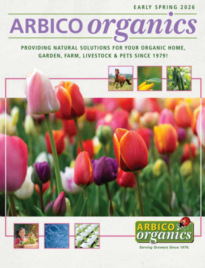
Arbico Organics Catalog

Switching from conventional gardening to organic methods involves more than just swapping out a bottle of synthetic fertilizer for a bag of compost. It requires a fundamental shift in perspective toward an ecological balance where every insect and microorganism plays a specific role. The transition often feels daunting because nature is complex, but the Arbico Organics catalog provides a structured path for those looking to manage pests and soil health without relying on harsh chemical interventions. This resource outlines the use of biological controls, which utilize living organisms to suppress pest populations, ensuring that the garden or farm remains a safe environment for pollinators, pets, and families. By focusing on the life cycles of both pests and beneficials, growers can intervene at the most effective moments to maintain a flourishing landscape that regenerates itself season after season.

The catalog functions as a comprehensive manual for Integrated Pest Management (IPM), a strategy that emphasizes prevention and the use of the least toxic methods first. Within its pages, readers find detailed descriptions of beneficial insects, predatory mites, and microscopic nematodes that target specific garden enemies like aphids, spider mites, and fungus gnats. Beyond pest control, the focus extends deep into the earth, highlighting the necessity of soil biology. Healthy soil is a living community of fungi, bacteria, and protozoa that break down organic matter and deliver nutrients directly to plant roots. Understanding these relationships is the key to reducing plant stress and increasing yields. Whether the goal is to protect a small backyard vegetable patch or manage a large-scale commercial greenhouse, the information provided helps bridge the gap between scientific theory and practical, hands-on application in the field.

The Fundamental Principles of Biological Pest Control

Biological control is the practice of using natural enemies to reduce the population of a pest. Unlike chemical pesticides that often kill indiscriminately, biological controls are highly targeted. The Arbico Organics catalog features a wide array of these living solutions, categorized by the specific pests they hunt. For instance, ladybugs and lacewings are famous for their appetite for aphids, but the catalog also details more specialized predators like the Aphidius colemani, a tiny wasp that parasitizes aphids from the inside out. This method of control is sustainable because, in many cases, the beneficial insects will establish a resident population, providing ongoing protection without the need for constant reapplication. It requires a bit of patience, as these predators need time to find their prey, but the result is a stable ecosystem where no single pest can dominate.

Utilizing Predatory Mites for Specialized Defense

Spider mites are a common headache for many growers, especially in hot, dry conditions. The catalog lists several species of predatory mites, such as Phytoseiulus persimilis, which are specifically adapted to hunt down and consume spider mites at a rapid pace. These tiny hunters are often shipped in a dormant state or mixed with a carrier like vermiculite, making them easy to distribute across affected plants. Because these mites only eat other mites, they pose zero risk to the plants themselves or to human health. Using these biological tools allows for the management of infestations in sensitive areas like indoor grow rooms or greenhouses where chemical fumes would be hazardous. The selection process involves matching the specific predatory mite species to the environmental conditions of the growing area, such as humidity and temperature, to ensure maximum efficacy.

Applying Beneficial Nematodes for Soil-Borne Pests

Many garden pests spend a significant portion of their life cycle underground, making them difficult to reach with topical sprays. Beneficial nematodes are microscopic roundworms that live in the soil and hunt for larvae. The Arbico Organics catalog highlights different strains of nematodes, such as Steinernema feltiae for fungus gnats and Heterorhabditis bacteriophora for Japanese beetle grubs. These organisms are applied through a simple watering can or sprayer. Once in the soil, they seek out their hosts, enter them, and release bacteria that kill the pest within 24 to 48 hours. This subterranean approach to pest management is essential for protecting root systems and preventing the next generation of flying pests from emerging. It is a clean, effective way to treat large areas of lawn or garden beds without leaving any toxic residue behind.

Building Resilience Through Soil Health and Microbiology

The foundation of any successful organic growing operation is the soil. Instead of simply feeding the plant with soluble salts, organic gardening focuses on feeding the soil microbiome. The catalog offers a variety of soil amendments designed to foster this microbial life. Mycorrhizal fungi are a primary focus; these fungi form a symbiotic relationship with plant roots, effectively extending the root system’s reach to pull in more water and minerals. In exchange, the plant provides the fungi with sugars produced through photosynthesis. This partnership makes plants significantly more drought-tolerant and resistant to soil-borne diseases. By incorporating these fungi during planting, growers set their crops up for long-term success with less need for supplemental watering or intensive fertilization.

Organic Fertilizers and Nutrient Cycling

Nutrient management in an organic system relies on the slow release of elements as organic matter breaks down. The products featured in the catalog include various meals, such as bone meal, blood meal, and alfalfa meal, alongside liquid fish emulsions and seaweed extracts. These materials do not just provide Nitrogen, Phosphorus, and Potassium; they offer a full spectrum of micronutrients and trace elements that are often missing from synthetic blends. Seaweed, for example, contains natural plant hormones that stimulate growth and help plants cope with environmental stress like extreme heat or cold. By using these natural inputs, growers avoid the risk of nutrient runoff that can pollute local waterways, ensuring that the nutrients stay in the soil where the plants can actually use them over an extended period.

The Role of Composting and Vermiculture

Transforming waste into a valuable resource is a cornerstone of organic logic. The catalog provides tools and inoculants to speed up the composting process, ensuring that kitchen scraps and yard waste turn into nutrient-rich humus quickly. Vermiculture, or worm composting, is also highlighted as an efficient way to create high-quality fertilizer in small spaces. Red wiggler worms process organic matter into castings that are packed with beneficial bacteria and enzymes. These castings are often referred to as black gold because of their incredible ability to boost plant immunity and improve soil structure. Including these practices in a gardening routine reduces the reliance on outside inputs and creates a closed-loop system where the garden sustains itself through its own recycled nutrients.

Advanced Disease Management and Plant Protection

Fungal and bacterial diseases can wipe out a crop just as quickly as a swarm of insects. The Arbico Organics catalog focuses on preventative measures and biological fungicides that use beneficial bacteria to outcompete pathogens. For example, products containing Bacillus subtilis or Bacillus amyloliquefaciens are used to prevent diseases like powdery mildew, botrytis, and root rot. These beneficial microbes colonize the leaf surface or the root zone, creating a physical barrier that prevents harmful spores from taking hold. This approach to disease management is much safer for the applicator and the environment than traditional copper or sulfur-based sprays, which can build up in the soil over time and harm earthworms and other beneficial life forms.

Mechanical and Physical Barriers

Sometimes the best defense is simply a good fence. The catalog includes various physical barriers designed to keep pests away from vulnerable plants. Row covers and insect netting are essential for protecting brassicas from cabbage moths or keeping birds away from ripening fruit. These tools are particularly useful for organic growers because they provide 100% protection without the need for any sprays at all. Additionally, sticky traps are featured not just as a control method, but as a vital monitoring tool. By placing yellow or blue sticky traps around the garden, growers can identify which pests are present and in what numbers, allowing them to make informed decisions about when to release beneficial insects or apply a biological spray.

Comprehensive Fly Control for Livestock and Households

Pest management is not limited to the garden; it extends to the barn and the home as well. Flies are a major nuisance for horses, cattle, and other livestock, often spreading disease and causing significant stress. The Arbico Organics catalog is well-known for its Fly Eliminators, which are tiny, non-stinging wasps that prey on fly pupae. By releasing these wasps near manure piles and bedding areas, the fly population is stopped before the adults ever have a chance to emerge. This biological approach is far more effective and pleasant than using chemical fly sprays that provide only temporary relief and can be irritating to the animals’ skin and respiratory systems. It creates a much more comfortable environment for both the animals and the people who care for them.

Targeting Indoor and Greenhouse Pests

Indoor growing environments present unique challenges because they lack the natural predators found outdoors. Pests like fungus gnats and whiteflies can thrive in the consistent climate of a greenhouse or grow room. The catalog offers specialized solutions for these confined spaces, including predatory beetles like Dalotia coriaria, which roam the soil looking for gnat larvae. Using these biological controls indoors requires a keen understanding of the environment, as factors like light cycles and CO2 levels can affect the activity of the beneficial insects. The catalog provides the necessary technical data to help growers calibrate their releases for maximum impact, ensuring that indoor harvests remain clean and free of both pests and chemical residues.

A Scientific Approach to Ecological Balance

Managing a landscape organically is an ongoing education in ecology. Every season brings new challenges, and the Arbico Organics catalog serves as an evolving reference guide that adapts to new scientific findings in the field of biological control. It emphasizes the importance of biodiversity, suggesting that a garden with a wide variety of plants will naturally attract more wild beneficial insects. By providing the tools to augment these natural populations, the catalog empowers growers to take control of their environment in a way that is ethical and sustainable. The focus remains on long-term stability rather than the quick, destructive fixes offered by conventional chemistry. This methodology fosters a deeper connection to the land and a greater appreciation for the complex systems that sustain life on Earth.

The shift toward organic practices is a journey that rewards observation and participation. As growers move away from the heavy-handed approach of the past, they discover that nature has already provided the solutions to most common problems. The Arbico Organics catalog simply provides the access and the expertise needed to harness those solutions effectively. From the smallest backyard garden to the largest commercial orchard, the goal is the same: to produce healthy, vibrant plants in a way that respects the delicate balance of the natural world. By choosing biological and organic options, growers contribute to a healthier planet, one insect and one handful of soil at a time, ensuring a productive future for generations to come. Exploring the diverse range of solutions available is the first step toward a more sustainable and rewarding growing experience. For those ready to begin or continue this journey, a wealth of resources and products can be found by visiting the Arbico Organics Catalog.