
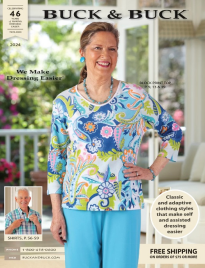
Buck & Buck Catalog

When navigating the complexities of elder care or physical rehabilitation, the choice of clothing often becomes a central focus for maintaining dignity and independence. Buck & Buck has established a long-standing reputation for providing specialized adaptive garments that address the specific anatomical and physical challenges faced by seniors and individuals with disabilities. For many, standard retail clothing presents significant hurdles; buttons become difficult to manipulate with arthritic hands, and overhead dressing can be painful for those with limited shoulder mobility. The Buck & Buck Catalog serves as a comprehensive inventory of solutions designed to mitigate these obstacles through thoughtful engineering and practical fabric choices. By focusing on functionality without sacrificing the appearance of traditional apparel, this collection allows individuals to maintain their personal style while simplifying the daily routine of getting dressed.

The breadth of the catalog encompasses everything from self-dressing solutions to garments specifically designed for assisted dressing in nursing home environments. Each item is constructed with the realities of aging in mind, incorporating features like hook-and-loop closures, magnetic buttons, and side-zipper openings. This guide provides an in-depth look at how these adaptive features function in real-world scenarios, helping caregivers and family members identify the most effective clothing options for their specific needs. From moisture-wicking fabrics for those with skin sensitivities to reinforced seams that withstand the high temperatures of industrial laundry facilities, the technical specifications of these garments are tailored for longevity and comfort. Understanding the specific benefits of each category, such as the specialized footwear or anti-strip jumpsuits for memory care, ensures that the wearer receives the maximum benefit from their wardrobe investments.

The Mechanics of Self-Dressing with Adaptive Closures

For individuals who retain a level of independence but struggle with the fine motor skills required for traditional fasteners, the self-dressing section of the catalog offers innovative alternatives. Traditional buttons are often replaced with magnetic closures that look identical to standard buttons from the outside but snap together effortlessly with minimal pressure. This feature is particularly beneficial for men and women with Parkinson’s disease or severe arthritis, as it eliminates the frustration of aligning small holes and buttons. Similarly, hook-and-loop fasteners, commonly known by the brand name Velcro, are used extensively in shirts, pants, and shoes to provide a secure fit that can be adjusted with a single hand. These closures allow individuals to continue dressing themselves for longer, which can have a profound impact on their psychological well-being and sense of autonomy.

The design of the pants in this collection often includes elastic waistbands or side-zipper openings. These modifications accommodate those who may have difficulty pulling traditional trousers over their hips or who require extra room for incontinence products. Side zippers allow the garment to open flat, making it easier to step into or pull up while seated. For those who use wheelchairs, the catalog features pants with a higher rise in the back and a lower rise in the front to prevent the fabric from bunching or pulling uncomfortably during long periods of sitting. These subtle adjustments in tailoring differentiate adaptive wear from standard retail clothing, focusing on the specific ergonomics of a seated or limited-mobility lifestyle.

Magnetic Buttons and Hook-and-Loop Systems

The use of magnets in shirts and cardigans represents a significant advancement in adaptive design. These magnets are sewn into the placket of the shirt, hidden behind ornamental buttons, so the garment maintains a professional and classic appearance. It is important to note that while these are highly effective for many, they may not be suitable for individuals with pacemakers, and the catalog provides alternative options like snap closures for those cases. Snap closures offer a middle ground, requiring more force than magnets but less precision than buttons. They are often used in reinforced strips to ensure they do not pop open during movement, providing a reliable and secure fit for active seniors.

Assisted Dressing for Caregiver Support

In situations where a resident or loved one requires full assistance with dressing, the open-back designs found in the Buck & Buck Catalog become indispensable. These garments are engineered to open completely, allowing the caregiver to dress the individual from the front without the need for the wearer to raise their arms or stand. The fabric panels overlap in the back and are secured at the shoulders with heavy-duty snaps. This design is a game-changer for non-ambulatory individuals or those with significant cognitive decline who may become agitated during the dressing process. By reducing the physical maneuvering required, open-back shirts and dresses minimize the risk of skin tears and muscle strain for both the wearer and the caregiver.

The catalog also includes specialized jumpsuits and back-zip garments designed specifically for individuals with Alzheimer’s or dementia who may engage in inappropriate undressing. These anti-strip outfits are designed with zippers located in the back, often with a tab cover that makes it difficult for the wearer to reach or open the garment themselves. This helps maintain hygiene and ensures that the individual remains clothed and comfortable throughout the day and night. These items are crafted from soft, durable knits that feel like standard leisurewear, ensuring that the safety features do not come at the expense of the wearer’s comfort or dignity.

The Utility of Open-Back Outerwear

Adaptive outerwear follows the same principles of assisted dressing, offering coats and capes that can be put on while the individual is seated in a wheelchair. These items often feature shortened back lengths to prevent the fabric from getting caught in wheels and open-back or side-snap closures to allow for easy entry. The use of warm, fleece linings and water-resistant outer shells ensures that mobility-challenged individuals can remain comfortable in various weather conditions without the struggle of traditional sleeve entry. This attention to detail extends to the placement of pockets and zippers, ensuring they are accessible even when the wearer has a limited range of motion.

Footwear and Podiatric Health

Footwear is a critical component of the Buck & Buck Catalog, focusing heavily on fall prevention and foot health. Many seniors deal with edema, or swelling of the feet and ankles, which makes standard shoes impossible to wear. The adaptive footwear line features extra-wide and extra-deep designs with adjustable closures that can accommodate varying degrees of swelling throughout the day. Non-slip soles are a standard feature, providing much-needed traction on smooth indoor surfaces like linoleum or hardwood floors. For those with diabetes, the catalog offers seamless socks and shoes with soft interiors to prevent friction and pressure points that could lead to ulcers.

The slippers and shoes often feature a wide toe box, allowing for natural toe spread and reducing the pressure on bunions or hammertoes. Many styles are designed to open almost completely to the toe, allowing the foot to be placed inside without any shoving or squeezing. Once the foot is positioned, the adjustable flaps are folded over and secured, creating a custom fit every time. This level of adjustability is vital for maintaining mobility and preventing the sedentary lifestyle that often follows foot pain or poorly fitting shoes. For individuals who spend most of their time in bed or a recliner, the catalog offers specialized gripper socks and soft-soled booties that provide warmth and light protection while preventing slips during transfers.

Fabrics Built for Institutional Laundering

One of the most practical aspects of the Buck & Buck collection is the choice of textiles. Clothing used in nursing homes and assisted living facilities must be able to withstand industrial-grade laundry machines, which use much higher temperatures and harsher detergents than residential washers. The catalog prioritizes polyester and cotton blends that offer the breathability of natural fibers with the durability and wrinkle-resistance of synthetics. These fabrics are chosen for their ability to maintain their shape and color over hundreds of wash cycles, ensuring that the clothing continues to look presentable and professional for the wearer.

Sensitive skin is a common concern among the elderly, and the catalog addresses this by selecting fabrics that are soft to the touch and free of irritating tags or rough seams. Nightgowns and pajamas are often made from high-quality knits or brushed flannels that provide warmth without being overly heavy. Moisture-wicking properties are also integrated into many of the base layers and undergarments, helping to keep the skin dry and reduce the risk of rashes or infections. By focusing on the intersection of textile science and geriatric care, the catalog provides garments that are as functional as they are comfortable.

Nightwear and Incontinence Management

The transition to nighttime presents its own set of challenges, particularly for those managing incontinence. The Buck & Buck Catalog features a range of adaptive nightwear that simplifies nighttime changes. Open-back nightgowns and pajamas allow caregivers to perform hygiene care without completely removing the garment, which can be particularly helpful during the middle of the night when minimizing disruption to sleep is a priority. These items are designed to be used in conjunction with incontinence briefs, providing enough room for the products without sagging or becoming bulky.

In addition to clothing, the catalog offers protective accessories like waterproof bed pads and chair protectors that are designed to be discreet and effective. These products help maintain a clean and dry environment, protecting furniture and bedding from accidents. For men, the catalog includes specially designed adaptive trousers that feature fly openings compatible with catheter bags, providing both privacy and ease of access for medical needs. These solutions reflect a deep understanding of the daily realities of caregiving, offering products that solve specific problems while maintaining the dignity of the individual.

Summary of Adaptive Clothing Benefits

The Buck & Buck Catalog represents more than just a collection of apparel; it is a specialized resource for improving the quality of life for seniors and their caregivers. By addressing the physical limitations associated with aging and disability, these garments reduce the daily stress of dressing and help maintain independence. The combination of innovative closures, caregiver-friendly designs, and durable fabrics makes this collection a standard in the industry. Whether the need is for simple velcro-closure shoes or complex anti-strip jumpsuits for memory care, the catalog provides options that prioritize the wearer’s comfort and dignity above all else. Investing in high-quality adaptive clothing is a practical step toward safer, more comfortable daily living for those with mobility and cognitive challenges. This selection of adaptive wear provides the necessary tools for families to support their loved ones effectively. To see the full range of solutions and find the right fit for your specific needs, explore the Buck & Buck Catalog today.