
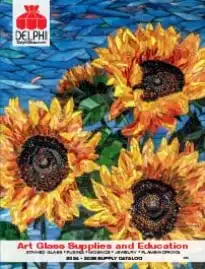
Delphi Glass Catalog
Artistic glasswork demands more than just skill; it requires access to specialized materials that turn a simple design into a masterpiece. Artists often spend hours searching for the specific shades of iridescent or opal glass that will make their projects stand out. The Delphi Glass Catalog serves as a bridge between creative ideas and the physical components needed to build them. Whether a beginner is looking for a starter kit or a seasoned professional seeks rare sheet glass, having a centralized source simplifies the procurement process significantly. High-quality supplies ensure that finished pieces maintain their brilliance over time without cracking or fading. This inventory covers everything from lead came for traditional windows to vibrant dichroic glass for modern jewelry. By understanding the breadth of available supplies, glass crafters can focus more on their artistic expression and less on the logistics of finding niche components.
Mastering Material Selection for Kiln Fired Projects
Choosing the right materials for glass fusing depends entirely on the concept of compatibility. When different pieces of glass are heated together in a kiln, they must expand and contract at the same rate to prevent stress fractures. This measurement is known as the coefficient of expansion, or COE. Most artists stick to either 90 or 96 COE to ensure their fused platters and bowls remain stable after cooling down. Mixing these two types usually results in immediate breakage that ruins hours of hard work.
Beyond just compatibility, the texture and transparency of the glass play huge roles in the final visual outcome. Cathedral glass allows light to pass through clearly, making it ideal for suncatchers, while opalescent varieties block light and provide rich, solid colors. Many creators find that layering these different types adds a sense of depth and complexity to their work. Specialized thermal expansion knowledge helps users predict how specific colors will react under high heat, as some hues change color only after they reach a certain temperature.
Advanced crafters often look for specialty products like glass frit or stringers to add fine details without cutting tiny shards by hand. Frit comes in various grain sizes, from powder to coarse chunks, allowing for painterly effects on a glass canvas. Using these supplemental materials correctly requires a steady hand and a solid understanding of how gravity affects molten glass. Stacking layers too high can cause the edges to round off or the piece to spread wider than intended, so precise measurement is always necessary for consistent results.
Crucial Tools and Supplies for Success
- Kiln Supplies: High-temperature shelves and kiln wash prevent molten glass from sticking to the floor of the furnace during intense firing cycles, protecting both the equipment and the art.
- Foil Techniques: Using adhesive copper foil allows crafters to wrap the edges of cut glass pieces tightly, creating a surface where solder can bond segments into a finished window.
- Grinding Tools: Diamond-head grinders smooth out rough edges and adjust the fit of individual pieces, ensuring that complex patterns fit together like a perfect puzzle without any gaps.
- Soldering Equipment: Temperature-controlled irons provide the consistent heat needed to melt solder smoothly across copper foil seams, resulting in clean, professional lines that hold the entire structure together.
- Pattern Books: Detailed blueprints offer inspiration and exact dimensions for projects ranging from simple geometric panels to intricate Tiffany-style lampshades, helping artists build their technical skills.
Essential Equipment for Precision Stained Glass Assembly
Building a durable stained glass panel starts with the quality of the cut. Users must invest in a reliable oil-fed glass cutter that provides a consistent score across the surface of the sheet. If the score line is uneven or too light, the glass may shatter unpredictably when pressure is applied with breaking pliers. Using a small amount of cutting oil helps the wheel glide smoothly and prolongs the life of the tool.
A clean break saves money on materials and reduces the amount of time spent at the grinding station later. Proper technique involves maintaining a vertical angle and applying steady, even pressure from one edge to the other. This precision ensures that every individual piece aligns perfectly with the original paper design without forcing fits. Avoiding jagged edges also makes the foiling or leading process much easier for the builder.
Once the pieces are cut and ground to fit the pattern, the assembly phase requires a focus on structural integrity to ensure the piece lasts for decades. Large windows often require lead came for support, while smaller, more delicate items benefit from the Tiffany copper foil method. Both styles require high-quality solder, typically a mix of tin and lead, to create strong joints that can withstand environmental changes.
Safety is just as important as the tools themselves when working in a home studio environment. Proper ventilation helps remove fumes created during the soldering process, and safety glasses protect the eyes from small flying glass chips. Organizing a workspace with dedicated areas for each step makes the process more efficient. Having a first-aid kit nearby and wearing closed-toe shoes are also smart habits for any serious crafter.
Finding the right balance between high-quality materials and professional tools is the secret to successful glass crafting. Every project offers a chance to learn something new about how light interacts with color. By sourcing reliable components and following proven techniques, creators can build pieces that are both beautiful and durable. Having access to a wide variety of supplies ensures that no idea is too complex to execute. Whether the goal is to create a small gift or a large installation, the right resources make all the difference. Investing in your creative vision pays off when the final piece catches the sunlight. For those ready to start their next project, browsing the Delphi Glass Catalog provides all the necessary supplies.