
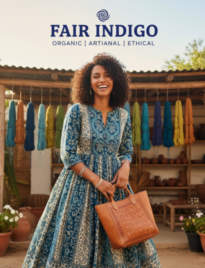
Fair Indigo Catalog
Sustainable fashion represents a fundamental shift away from disposable, low-quality garments toward pieces that actually endure years of regular wear. Buyers often struggle to find clothing that balances environmental responsibility with a premium feel and lasting durability. The Fair Indigo Catalog provides a solution by focusing on high-quality basics that prioritize long-staple fibers and ethical labor practices. This approach ensures that every t-shirt, sweater, and dress maintains its shape and soft texture even after dozens of laundry cycles. By choosing garments made from materials grown without synthetic chemicals, consumers actively support healthier ecosystems while building a wardrobe that doesn’t need constant replacing. Understanding the value of these materials helps shoppers make informed decisions that benefit both their personal style and the planet’s future. Investing in well-made essentials reduces waste and simplifies daily life by offering reliable comfort every single morning and evening during every season of the entire calendar year.
The Superior Quality of Organic Pima Cotton
Pima cotton stands out from standard cotton because of its extra-long fibers, which naturally produce a much smoother and stronger yarn than any average alternatives used by major brands today. These special fibers create a material that resists pilling and fraying much better than the short-staple varieties found in fast-fashion outlets across the country. This technical advantage results in a fabric that feels incredibly soft against the skin while remaining tough enough for heavy daily activity without tearing or thinning. Buyers notice the premium difference immediately.
Growing this material through organic farming methods ensures that no synthetic pesticides or fertilizers contaminate the soil or the final textile product that touches the skin. Farmers utilize natural pest control and crop rotation techniques to maintain land health for several future generations of agricultural workers in the region. This process yields a cleaner fiber ideal for individuals with sensitive skin or existing allergies to industrial chemical residues. The absence of harsh chemicals means the cotton retains its natural oils, contributing to a supple hand feel that improves over time with each successive wash.
The durability of these garments translates into significant long-term savings for the conscious consumer who values performance and high-level longevity. While a cheap shirt might lose its color and fit within months, these high-end basics retain their vibrant hues and structural integrity for several years of use. Buying fewer, better items remains the most effective way to reduce the overall environmental footprint of a personal clothing collection. Every piece serves as a reliable staple that withstands the rigors of frequent wearing while maintaining a professional and comfortable aesthetic for many seasons of continuous use in various climates.
Essential Features of Sustainable Apparel
- Extra-Long Staple Fibers: These premium cotton fibers provide superior strength and softness compared to standard varieties, ensuring that garments don’t pill or lose their shape over time during use.
- Fair Trade Certification: Ethical manufacturing ensures that every worker receives a living wage and operates in safe conditions, fostering a sustainable community for garment creators and their local families.
- Oeko-Tex Certified Dyes: Using safe and environmentally friendly dyes prevents harmful chemicals from entering water systems and ensures the clothing is safe for the wearer’s skin and health.
- Classic Style Longevity: Focusing on timeless designs instead of fleeting trends allows these pieces to remain stylish and functional for many years, reducing the need for frequent clothing shopping.
- Pre-Shrunk Fabrics: Each piece undergoes a careful washing process before it reaches the consumer, which guarantees the fit stays consistent after the very first home laundry cycle is complete.
- Biodegradable Natural Materials: Utilizing 100% organic cotton ensures that garments can eventually return to the earth without leaving behind microplastics or toxic synthetic residues found in common blended fabrics.
The Positive Impact of Ethical Manufacturing
Ethical manufacturing practices do more than just provide fair wages; they directly influence the final quality and consistency of the clothing produced by skilled artisans. When workers are treated with respect and paid fairly, they take greater pride in the craftsmanship of every single seam and hem. This attention to detail results in superior construction that outlasts mass-produced alternatives typically found in big-box retail stores. Skilled tailors focus on creating strong connections at stress points, which prevents the common issue of garments falling apart after just a few months of standard use.
Consumers who prioritize transparent supply chains gain the peace of mind that their clothing did not come at the cost of human exploitation or unsafe conditions. Every purchase supports a system where small-scale farmers and skilled artisans in Peru can thrive within their own local economies. This connection between the buyer and the maker creates a more meaningful relationship with the functional items inside one’s closet. It encourages a shift away from impulsive shopping and toward intentional purchases that reflect deep personal values and a respect for labor throughout the entire manufacturing process.
Opting for items from the Fair Indigo Catalog means supporting a business model that rejects the “take-make-waste” philosophy of the modern industrial world. Instead, this model promotes a circular approach where lasting quality is the primary metric of success for both the brand and the consumer. This shift in mindset helps reduce the millions of tons of textile waste that end up in landfills every single year. Choosing timeless pieces ensures that the initial investment pays off through years of reliable wear and consistent aesthetic appeal in any professional or casual setting.
Choosing sustainable clothing is a practical step toward a more responsible lifestyle without sacrificing personal comfort or aesthetic appeal. High-quality basics offer a foundation for any wardrobe, providing versatility that works for professional settings or casual weekends at home. By investing in garments that prioritize both people and the planet, buyers ensure their money supports positive change in the global textile industry. The long-term benefits of durability and timeless design far outweigh the temporary allure of cheap, disposable fashion. Consumers can feel confident that their choices contribute to a healthier world while enjoying the unmatched softness of premium organic materials found in the Fair Indigo Catalog which sets the very highest standard for modern ethics.