
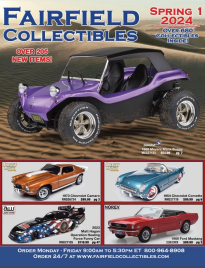
Fairfield Collectibles Catalog
Collecting miniature vehicles offers a unique way to preserve automotive history within a home or office setting. Enthusiasts often seek out high-quality die-cast replicas that mirror the intricate details of full-sized machines. This hobby transcends simple toy gathering, evolving into a sophisticated pursuit of engineering accuracy and historical significance. Finding a comprehensive source for these items allows hobbyists to expand their displays with precision-crafted die-cast models including cars, trucks, and tractors. The Fairfield Collectibles Catalog serves as a vital resource for those looking to discover rare and limited-edition models that aren’t available in standard retail stores. By focusing on specific eras, such as the golden age of muscle cars or classic vintage trucks, collectors can build a cohesive narrative through their chosen pieces. Accessing a wide variety of scales ensures that every display shelf has the perfect fit for its specific spatial requirements.
Exploring the Diversity of Die-Cast Vehicle Scales
Choosing the right size for a miniature vehicle determines how much detail a collector can enjoy. The 1:18 scale is a favorite for many because it allows for functional parts like opening hoods, doors, and trunks. These larger models often feature authentic engine details and realistic interiors that mimic the original factory specifications. For those with limited shelf space, the 1:24 scale provides a balance between intricate craftsmanship and compact size, making it easier to house a growing fleet of classic cars.
Quality materials define the longevity and feel of a high-end replica. Most premium models utilize heavy-gauge die-cast metal, giving the vehicle a substantial weight that feels premium in the hand. This durability ensures that the fine lines and curves of a vintage chassis remain sharp and clear over decades of display. Collectors prioritize paint finishes that match original automotive colors, seeking out that deep, glossy shine found on showroom floors during the mid-20th century.
True hobbyists look for mechanical accuracy beyond just the exterior appearance. Working steering wheels that turn the front tires and detailed suspension systems add a layer of realism that separates a display piece from a standard toy. High-quality replicas often include rubber tires with realistic tread patterns and wired engines that showcase the power plants of legendary muscle cars. These small touches provide a sense of satisfaction when showcasing a collection to fellow enthusiasts or curious guests.
Key Features of High-End Model Replicas
- Opening Components: Many scale models feature doors, hoods, and trunks that open smoothly to reveal detailed interiors and engine bays, mimicking the functionality of a real-life automobile.
- Authentic Livery: Precision models often include historically accurate decals, paint schemes, and brand logos that reflect the specific racing or commercial history of the original vehicle.
- Rubber Tires: Instead of hard plastic, premium replicas use genuine rubber tires with realistic tread designs, providing a more authentic look and a better grip on display surfaces.
- Intricate Interiors: From tiny dashboard gauges to textured upholstery, the internal cabin of a high-quality model is crafted to reflect the luxury or utility of the real car.
- Steerable Wheels: Many larger-scale die-cast vehicles incorporate working steering mechanisms, allowing the front wheels to turn in coordination with the steering wheel inside the miniature cockpit.
Curating a Theme for Your Personal Miniature Gallery
Building a cohesive collection often requires focusing on a specific niche rather than buying random items. Some enthusiasts choose to specialize in emergency vehicles, gathering fire engines and police cruisers from different decades to show the evolution of public safety. Others might prefer the sleek lines of European sports cars, focusing on brands that defined performance and luxury during the post-war era. Having a clear theme makes the display look intentional and professional rather than cluttered.
The Fairfield Collectibles Catalog offers a wide variety of options that cater to these specific interests, ranging from heavy-duty construction equipment to nostalgic farm tractors. Focusing on a specific manufacturer, such as Ford or Chevrolet, allows a buyer to trace the design history of a single brand across multiple generations of vehicles. This approach creates a visual timeline that serves as a conversation starter, highlighting how automotive technology and aesthetics have shifted over the years.
Display environments play a huge role in how a collection is perceived by visitors. Using glass cases or specialized shelving protects the delicate finishes from dust and sunlight, which can fade paint over time. Many people choose to arrange their models chronologically or by color to create a striking visual impact. Investing in lighting, such as small LED spotlights, can accentuate the chrome trim and metallic flakes in the paint, making each piece stand out as a work of art.
Collecting scale models represents a meaningful connection to automotive history and mechanical design. By selecting pieces that offer high levels of detail and material quality, enthusiasts create lasting tributes to the vehicles they admire. Whether starting with a single muscle car or expanding into a massive garage of miniatures, the focus should always be on authenticity and personal enjoyment. Finding the right source for these items ensures that every addition to the shelf meets the high standards of modern hobbyists. For those ready to find their next masterpiece, the Fairfield Collectibles Catalog offers an impressive selection of die-cast treasures that will stand the test of time.