
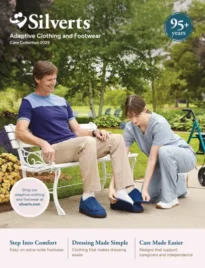
Silvert’s Catalog
Dressing oneself is a basic daily task that often becomes a significant hurdle for individuals facing mobility challenges or cognitive decline. When buttons, zippers, and tight sleeves turn into obstacles, the right wardrobe choices restore a sense of dignity and physical ease. Many families don’t always know where to turn for unique medical needs without sacrificing style or personal identity. Finding a comprehensive resource like the Silvert’s Catalog provides access to garments specifically engineered for seated dressing or limited dexterity. These items incorporate hidden features such as magnetic closures and side-opening seams that simplify the morning routine for both the wearer and their caregiver. By prioritizing adaptive clothing design, manufacturers ensure that aging adults and people with disabilities can maintain their independence while staying comfortable throughout the day. Investing in functional fashion helps reduce the physical strain of daily transitions and supports a higher quality of life.
Innovative Solutions for Enhanced Daily Mobility
Standard garments often fail to meet the needs of those with arthritis or tremors, but finding specialized pieces in a dedicated adaptive guide can solve this. Magnetic closures replace traditional buttons, allowing a shirt to snap shut with minimal effort. This technology eliminates the frustration of fumbling with tiny plastic discs that require fine motor skills. For many seniors, this small change means they can dress themselves again without waiting for assistance.
Lower body garments present different challenges, especially for those who use wheelchairs or have limited leg strength. Side-opening pants feature long zippers or hook-and-loop strips along the outer seams. This allows the wearer to put on trousers while seated or lying down. It prevents the need to stand and balance, which significantly lowers the risk of falls in the bedroom.
Footwear is another critical area where slip-resistant soles provide safety and comfort. Wide-opening shoes with adjustable straps accommodate swelling, often called edema, which is common among the elderly. These shoes provide a secure fit that standard sneakers cannot match. They offer stability on various floor surfaces, helping to prevent slips that often lead to serious injuries or hospital stays.
Finally, consider the importance of moisture-wicking fabrics in adaptive wear. These materials help regulate body temperature and prevent skin irritation for those who spend long periods in bed or a chair. Soft, breathable blends ensure that the wearer remains dry and comfortable, reducing the risk of sores. High-quality construction means these pieces hold their shape even after many cycles through a heavy-duty dryer.
Functional Features for Independent Living
- Open-Back Tops: These shirts feature overlapping fabric panels with snaps at the shoulders. They allow caregivers to dress a seated individual without forcing arms through narrow sleeves.
- Magnetic Button Fronts: Hidden magnets behind decorative buttons make closure effortless. This design is perfect for men and women with Parkinson’s or severe arthritis who struggle with dexterity.
- Easy-Access Trousers: Pants with side zippers or Velcro tabs make dressing simpler for those with catheters or limited mobility. They provide a smooth profile while ensuring quick changes.
- Anti-Strip Jumpsuits: These specialized garments feature back zippers that prevent individuals with dementia from undressing at inappropriate times. They maintain modesty while providing comfort for the wearer.
- Non-Constrictive Socks: Designed with extra stretch, these socks provide warmth without cutting off circulation. They are ideal for individuals managing diabetes or chronic leg swelling issues.
Supporting Caregivers and Personal Dignity
The psychological impact of clothing extends far beyond mere coverage. When an elderly person can no longer dress themselves, it often leads to a loss of self-esteem and a feeling of helplessness. Adaptive apparel bridges this gap by offering styles that look like traditional clothing but function differently. It allows individuals to maintain their personal aesthetic while adapting to new physical realities.
Caregivers also experience a significant reduction in physical labor when using specialized garments. Lifting and pulling at heavy fabrics can cause back strain for those providing daily assistance. Clothing that opens fully or uses pressure-free closures makes the process smoother and faster. This efficiency leaves more time for meaningful interaction rather than struggling with stubborn zippers or tight necklines.
Durability remains a key factor for families choosing these products. High-quality materials must withstand frequent industrial laundering, especially in nursing home environments. Fabrics that resist pilling and shrinking ensure that the investment lasts for years. Choosing items from a reputable source ensures that the clothing remains soft against sensitive skin while providing the structural integrity needed for daily wear and tear.
Beyond the physical benefits, adaptive designs often include discreet features that protect a user’s privacy during medical procedures or personal care. Overlapping back panels and hidden access points allow for easy checkups without requiring full undressing. This thoughtful engineering preserves the dignity of the patient while assisting medical staff in their duties. It’s a practical solution that balances professional needs with personal comfort and respect.
Enhancing the daily lives of seniors and individuals with disabilities requires a thoughtful approach to every aspect of their routine. Clothing is a fundamental part of that experience, serving as both a functional necessity and a form of self-expression. By selecting items designed for accessibility, families provide their loved ones with the tools they need to stay confident and mobile. These garments reduce physical stress for caregivers and provide lasting comfort for those with unique medical needs. Accessing a dedicated resource like the Silvert’s Catalog makes finding these specialized solutions simple. Prioritizing functional wardrobe updates ensures that every individual can face their day with dignity and physical ease.