
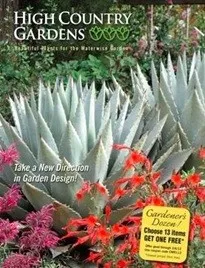
High Country Gardens
Choosing the right plants for a specific climate often dictates whether a landscape thrives or fails. Many gardeners struggle with finding species that survive intense heat and limited rainfall without requiring constant maintenance. Sustainable gardening emphasizes the use of native and adaptive species that naturally resist local pests and weather extremes. By focusing on water-wise solutions, homeowners can create vibrant outdoor spaces that support local pollinators and reduce resource consumption. Using high-quality sources like sustainable plant nurseries ensures that each addition to the soil has a strong root system and the genetic resilience needed for long-term growth. This approach converts a traditional yard into a resilient ecosystem that matures beautifully over several seasons. Relying on specialized expertise helps buyers avoid the common mistake of purchasing varieties that look good in a greenhouse but wilt under real-world conditions. High Country Gardens provides the necessary tools for this ecological shift.
Master Water-Wise Landscapes with Hardy Perennials and Seeds
Establishing a successful garden begins with selecting long-lived species that can handle the rigors of the environment. Perennials are the backbone of any sustainable design because they return year after year, developing deeper roots that eventually require less irrigation. These plants often feature unique adaptations, such as silver-toned foliage or waxy leaves, which help them retain moisture during the hottest months of the summer. Selecting varieties like Agastache or Penstemon provides essential nectar for bees and hummingbirds while maintaining a clean, structured appearance in the flower beds.
Wildflower seeds offer an efficient way to cover large areas with a diverse mix of colors and textures. Many homeowners choose these blends to create meadows that mimic natural prairies, providing a low-maintenance alternative to traditional turf grass. Success with these seeds requires proper soil preparation and timing, usually planting just before a rainy season to ensure good germination rates. Once established, these native floral species reseed themselves, creating a self-sustaining cycle of growth that changes slightly every year as different varieties take the lead.
Integrating these elements involves understanding the specific light and soil requirements of each plant. Placing taller species in the back and shorter groundcovers in the front creates a layered effect that maximizes visual interest. Adding a layer of organic mulch helps keep the ground cool and prevents moisture from evaporating too quickly. This strategy not only protects the investment in new growth but also improves the soil quality over time as the mulch breaks down into nutrient-rich compost. Healthy soil biology supports stronger stems and brighter blooms throughout the year.
Key Components for a Resilient Outdoor Space
- Drought-Tolerant Perennials: These hardy plants provide a permanent structure for the landscape. They survive on minimal water once established and offer reliable color throughout the growing season for busy homeowners.
- Pollinator-Friendly Seeds: Using regional seed mixes supports local ecosystems. These varieties attract beneficial insects like butterflies and honeybees, helping to improve the overall health of the neighborhood environment.
- Spring-Blooming Bulbs: Planting bulbs in the fall ensures a burst of early color. Selecting deer-resistant varieties like Alliums or Daffodils prevents local wildlife from damaging the garden spring display.
- Xeric Ornamental Grasses: These grasses add movement and texture to any yard. They require very little pruning and stay attractive even during the winter months, providing vital habitat for birds.
- Soil Amendments: High-quality compost and microbial inoculants help plants thrive in lean soils. These additions improve drainage and nutrient uptake, ensuring that new transplants settle into their home quickly.
Strategic Planting for Year-Round Visual Appeal
Planning a garden for multi-season interest requires a thoughtful combination of flowering times and structural forms. Many people focus only on the peak of summer, but a truly successful space offers something to look at from early spring through late autumn. Incorporating flower bulbs is the easiest way to jump-start the season, as they push through the cold ground long before other plants wake up. These early bloomers provide a much-needed food source for early-emerging pollinators when other nectar options are still dormant.
Transitioning into the hotter months, the focus shifts to sturdy species that can withstand the glare of the sun. This is where xeric gardening techniques become invaluable, allowing for lush appearances without a massive water bill. Choosing a mix of textures—from the fine needles of lavender to the broad leaves of succulents—creates a sophisticated palette that feels intentional and well-designed. These selections should be grouped by their water needs to ensure that no plant is over-watered or left too dry during heatwaves.
As the temperatures drop in the fall, certain perennials take center stage with late-season blooms and changing foliage colors. Ornamental grasses often reach their full height and develop seed heads that catch the light during the golden hour of the afternoon. Leaving these plants standing through the winter adds a sculptural element to the yard when snow covers the ground. This practice also protects the crowns of the plants from freezing temperatures and provides shelter for small garden creatures until the warmth returns in the spring.
Creating a beautiful and environmentally responsible landscape is a rewarding process that pays off for years to come. By selecting the right combination of perennials, seeds, and bulbs, homeowners can enjoy a yard that feels like a natural extension of the local environment. Specialized experts offer the specific varieties and expertise needed to make these sustainable dreams a reality. Investing in plants that are genetically suited for their specific climate ensures that the garden remains healthy and vibrant with minimal intervention. This thoughtful approach to landscaping not only increases property value but also creates a peaceful sanctuary for both people and nature to enjoy every single day. High Country Gardens