
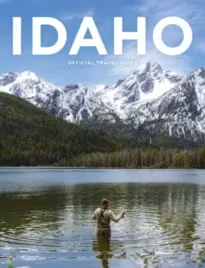
Idaho Travel Guide
Idaho stands as a massive expanse of land that remains largely untouched by urban sprawl. With over four million acres of designated wilderness, the state offers more room for exploration than almost anywhere else in the lower forty-eight. Visitors often arrive expecting only flat potato fields but soon discover a landscape dominated by jagged peaks, emerald lakes, and the deepest river gorge in North America. Planning a trip here requires an understanding of how these different environments connect across thousands of miles. Utilizing the essential tips found in a reliable Idaho Travel Guide ensures that every mile spent on the road leads to a meaningful discovery. From the high deserts in the south to the dense forests of the panhandle, the sheer variety of rugged wilderness provides a backdrop for almost any type of outdoor enthusiast looking for a genuine escape.
Exploring Scenic Routes and Natural Wonders
Driving across the state reveals a massive network of scenic byways that wind through historical mining towns and volcanic fields. These routes aren’t just paths to a destination; they serve as the main attraction for many road trips. Travelers find themselves stopping every few miles to photograph basalt columns or wide-open prairies that stretch toward the horizon. Each turn offers a new perspective on the history of the region, from the footprints of early pioneers to the tracks of modern explorers seeking solace in the wind.
The northern part of the state features deep, glacial lakes like Coeur d’Alene and Pend Oreille. These bodies of water offer a different pace of life where boaters and swimmers enjoy clear, cool water surrounded by thick pine forests. Local communities along the shoreline provide a mix of luxury resorts and rustic campgrounds that cater to every budget level. It’s common to see families spending their entire summer vacation here, moving between the sandy beaches and the mountain trails that overlook the vast blue waters.
Moving south, the terrain shifts dramatically into the high desert and the Snake River Plain. This area is home to Craters of the Moon, where ancient lava flows created a moon-like surface that feels entirely alien. Families often enjoy walking through the lava tubes or hiking up cinder cones to get a better view of the massive volcanic rifts. This stark contrast in geography highlights why so many people are drawn to the region for its diversity and the opportunity to see geological history in person.
Essential Preparation for Your Idaho Adventure
- Best Seasonal Timing: Visitors should target the months of July through September for high-altitude hiking. This window ensures the snow has melted and the weather remains quite warm for camping.
- Thermal Spring Etiquette: Many natural pools require a hike to access. Travelers must practice leave-no-trace principles to keep these delicate environments clean for everyone who follows in their footsteps.
- Vehicle Preparation Needs: Remote mountain roads often lack cell service and frequent gas stations. Drivers need to carry extra water and ensure their spare tire is in good condition before departing.
- Wildlife Distance Rules: Seeing elk or mountain goats is common in the Sawtooth range. Observers should maintain a distance of at least twenty-five yards to ensure safety for themselves and the animals.
Planning Your Ideal Mountain Vacation
Successful vacations often center on the state’s famous hot springs, which range from developed resorts to remote pools hidden in the forest. These thermal waters provide a relaxing end to a long day of hiking or skiing in the mountains. Many visitors find that an Idaho Travel Guide helps them locate these hidden gems that aren’t always visible from the main highway. Finding a quiet pool at sunset provides a sense of tranquility that stays with a traveler long after they have returned home.
Winter sports enthusiasts gravitate toward the central mountains, where Sun Valley offers world-class skiing and snowboarding opportunities. This region maintains a high standard for winter recreation while keeping a friendly, small-town atmosphere that many famous resorts have lost over the years. Beyond the groomed runs, the area is a gateway for backcountry adventures involving snowshoes and snowmobiles. These activities allow people to see the mountains in a way that few others do, surrounded by silence and the sparkle of fresh powder.
Boise serves as the cultural hub, offering a sophisticated food scene and a miles-long greenbelt along the river. It’s the perfect starting point for those who want to balance city comforts with quick access to the foothills. Within minutes of leaving a downtown hotel, a traveler can find themselves on a trailhead overlooking the entire valley and the mountains beyond. This proximity between urban life and the wild is a major reason why the area has grown in popularity for those seeking a balanced lifestyle.
Experience tells us that the most successful trips are the ones where people leave room for the unexpected. Whether it’s a sudden detour to a waterfall or an extra night in a quiet mountain town, this state rewards those who don’t rush through their itinerary. The combination of grand natural wonders and welcoming local culture creates a sense of peace that is hard to find elsewhere. Visitors leave with a better appreciation for the scale of the American West and a desire to return year after year. For more information on planning your specific route, check out the Idaho Travel Guide.