
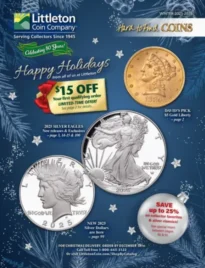
Littleton Coin Company
Collecting historical currency provides a tangible connection to the past that few other hobbies can match. Every minted piece of metal or printed note tells a story about the economy, politics, and culture of its era. Enthusiasts often begin their journeys by looking for specific dates or numismatic rarities that have survived decades of circulation. Finding these items requires a reliable source that understands the nuances of grading and authenticity. For many, the thrill comes from locating a pristine Morgan silver dollar or a crisp small-size legal tender note. As the market for physical assets continues to fluctuate, these tangible pieces of history offer a unique combination of aesthetic beauty and potential long-term value. Exploring the vast inventory at Littleton Coin Company allows buyers to see how diverse the world of currency really is. It isn’t just about spending money; it’s about preserving it in a form that celebrates human achievement and historical milestones across different civilizations.
Essential Standards for High-Quality Collectible Coins
Selecting high-quality specimens is the most important step for any serious numismatist. Coin grading standards ensure that buyers know exactly what they’re getting, whether it’s a circulated piece with visible wear or a brilliant uncirculated gem that looks like it just left the mint. These standards measure everything from the sharpness of the strike to the presence of original luster. Buyers should pay close attention to the details on the highest points of the design, as these areas typically show the first signs of friction. Consistent grading provides a baseline for value, making it easier to compare similar items across different markets and auction houses.
American history is particularly well-represented in the world of paper money and metallic currency. From the early colonial days to the modern era of the 50 State Quarters program, there’s always something new to discover. Collectors often focus on specific series, such as the Buffalo nickel or the Mercury dime, trying to find every date and mint mark combination. This pursuit requires patience and a keen eye for detail. It’s not uncommon for a single missing piece to take years to track down in the right condition. Owners find that completing a series provides a deep sense of accomplishment and a cohesive historical narrative.
Beyond individual pieces, many people enjoy the organized nature of collecting sets. Albums and folders provide a visual way to track progress, showing exactly which spots still need to be filled. This methodical approach helps maintain interest over the long term. It also encourages people to learn more about the specific historical context of each era. Seeing a complete set of steel cents from 1943, for example, serves as a direct reminder of the material shortages during World War II. These physical items bridge the gap between textbook history and real-world experience, making the hobby educational for people of all ages.
Key Factors in Evaluating Currency Value
- Precious Metal Content: Investors often seek out coins with high silver or gold purity to act as a hedge against inflation and economic shifts.
- Historical Significance: Items from pivotal eras, like the Civil War or the Great Depression, carry stories that add emotional value beyond their face amount.
- Protective Packaging: Using archival-quality flips and folders prevents environmental damage, ensuring the metal remains free from fingerprints and harmful PVC residue that ruins finishes.
- Scarcity and Demand: Rare mintages with low survival rates often see higher price appreciation because there are simply fewer examples available for the number of interested collectors.
- Grading Authenticity: Professional verification ensures that a piece hasn’t been cleaned or altered, which is vital for maintaining the integrity and resale potential of a collection.
Strategic Approaches to Building a Legacy Collection
Understanding the complexities of the currency market requires more than just a passing interest in old money. Smart buyers spend time researching market trends to understand which series are currently in high demand and which might be undervalued. For example, some paper currency notes from the late 19th century feature stunning artwork that rivals fine engravings. These large-size notes are often called horse blankets because of their physical dimensions. Recognizing the shift to smaller notes helps a collector appreciate logistical changes in the American banking system over the last century.
Condition is king in the world of high-end collectibles. Even a tiny scratch or a slight discoloration can significantly impact the price of a rare specimen. This is why many people prefer items that have been inspected by experts who can verify their state of preservation. It’s also why proper storage is so critical. Keeping coins in a cool, dry place away from direct sunlight helps prevent toning and spotting. While some people find the natural patina on silver attractive, others prefer the white-bright look of a fresh strike. Deciding which aesthetic preference to follow is part of the fun of building a personal legacy.
Many collectors trust Littleton Coin Company for their supply of protective holders and specialty albums. Diversifying a collection is another strategy that many long-term enthusiasts use. Instead of focusing solely on one type of coin, they branch out into foreign currency. This provides a broader perspective on how different cultures handled trade throughout history. It also makes the hobby more resilient to changes in specific niche markets. A well-rounded collection might include gold bullion, silver coins, and interesting paper notes. This variety keeps the interest alive and ensures there’s always a new area of history to explore.
Building a collection of rare currency is a rewarding pursuit that combines history, art, and finance. It allows people to hold pieces of the past in their hands while creating a legacy that can be passed down through generations. Success in this hobby comes from consistent learning and finding reliable dealers for new acquisitions. By focusing on quality and authenticity, collectors ensure their items remain valuable and historically relevant. Whether someone is looking for a specific silver eagle or an elusive star note, the journey of discovery is what makes the experience worthwhile. It’s a way to stay connected to our heritage through the very items that powered the economy. To find your next treasure, consider the options at Littleton Coin Company.