
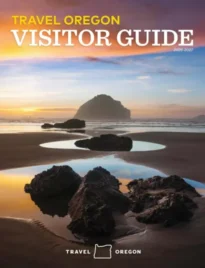
Oregon Travel Guide
Exploring the Pacific Northwest offers a chance to see diverse landscapes ranging from rugged cliffs to high desert plains. This Oregon Travel Guide provides visitors with essential details for planning a trip through these unique regions. Travelers often start in the lush Willamette Valley before heading toward the volcanic peaks that define the state’s skyline. The variety of activities available ensures that every type of traveler finds something appealing, whether they prefer quiet forest hikes or vibrant urban centers. Understanding the seasonal shifts is vital for anyone hoping to see the best of what this territory offers. Rainfall varies significantly between the coastal zones and the dry interior, affecting everything from packing choices to driving routes. By focusing on the most iconic landmarks, tourists can create an itinerary that captures the true essence of the region’s natural beauty and cultural heritage.
Exploring the Peaks and Valleys of the Cascade Range
Mt. Hood stands as the highest point in the state and serves as a year-round hub for outdoor enthusiasts. Visitors find that the mountain isn’t just for winter sports, though it boasts one of the longest skiing seasons in North America. During the summer, the snow melts enough to reveal miles of trails that lead to alpine meadows and hidden waterfalls.
The historic Timberline Lodge offers a glimpse into Depression-era craftsmanship while providing a cozy base for those exploring the Mount Hood National Forest. Lower elevations around the mountain feature the fruit-rich Hood River Valley. Travelers often follow the Fruit Loop, a scenic drive that stops at various local orchards, farm stands, and lavender fields.
This area highlights the agricultural richness that complements the rugged mountain terrain. In the fall, the changing leaves create a vibrant backdrop for picking apples or tasting fresh ciders. It’s a perfect example of how the geography supports both recreation and local industry. Accessibility remains a major benefit for those staying in nearby cities.
A short drive brings adventurers from the city streets to the trailhead of popular spots like Mirror Lake. Families often enjoy the easy terrain of these lower loops, while experienced climbers tackle the summit with proper gear. The mountain’s constant presence on the horizon reminds everyone of the geological forces that shaped the Pacific Northwest.
Top Destinations for Nature Lovers and Explorers
- Cannon Beach Icons: Visitors should visit the famous Haystack Rock at low tide to see colorful sea stars and anemones living in the protected tide pools.
- Astoria History: This oldest American settlement west of the Rockies features Victorian architecture and the impressive Astoria Column, which offers panoramic views of the Columbia River.
- Crater Lake Depth: Exploring the deepest lake in the United States requires a trip to southern Oregon, where the brilliant blue water fills a volcanic caldera.
- Willamette Valley Vineyards: Enthusiasts of fine beverages appreciate the world-class Pinot Noir produced in the rolling hills located between the Coast Range and the Cascade Mountains.
- Smith Rock Climbing: Located in the high desert near Bend, these towering basalt cliffs provide some of the best sport climbing opportunities for athletes visiting the region.
The Rugged Beauty of the Pacific Coastline
The coastline stretches over 360 miles and remains entirely open to the public thanks to landmark legislation. This ensures that every beachgoer can walk the sandy shores without encountering private property fences. Highway 101 serves as the main artery for this journey, twisting past dramatic sea stacks and Pacific Ocean viewpoints.
Each coastal town has a distinct personality, from the busy boardwalks of Seaside to the quiet, wind-swept dunes of Florence. Whale watching is a popular activity for visitors who time their trips during the migration seasons. Gray whales pass close to the shore twice a year, and dedicated lookout points offer volunteers who help.
Those interested in marine life also frequent the many historic lighthouses that still stand guard over rocky points. These structures provide a window into the maritime history that defined the early development of the western edge. Culinary experiences along the shore revolve around the daily catch from the cold, deep waters of the north.
Local eateries serve fresh Dungeness crab and clam chowder that reflect the bounty of the sea. Using an Oregon Travel Guide helps tourists find the best spots for shore-based crabbing or guided fishing trips. The combination of mist and rocky outcrops creates a moody, beautiful atmosphere that is truly unique to this specific region.
Planning a trip to this part of the country requires a balance between structured scheduling and room for spontaneous discovery. The diverse climates and terrains mean that one day could involve hiking through a rain forest and the next could be spent in a desert canyon. Visitors who embrace this variety find that the state offers deep connections to the natural world. From the peaks of the Cascades to the sands of the Pacific, the memories made here tend to last a lifetime. Every season brings a new perspective on the landscape, making it a destination worth returning to throughout the year. For more information, consult the Oregon Travel Guide.