
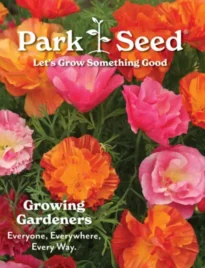
Park Seed Gardening Catalog
Gardening success starts long before the first sprout appears above the soil line. It begins with selecting high-quality genetics that thrive in specific regional climates. Many enthusiasts rely on the Park Seed Gardening Catalog to discover unique varieties that aren’t available at local big-box retailers. Choosing the right germination methods ensures that expensive seeds don’t go to waste during the fragile early stages of growth. Whether a person is looking for heirloom vegetables or award-winning floral displays, the variety of options allows for a customized outdoor space. High-performance seeds offer better disease resistance and higher yields, making the effort of planting much more rewarding. For those who want to maximize their harvest, understanding the science of seed starting is essential. This reliable resource provides the foundation for a vibrant and productive backyard ecosystem throughout every growing season and helps homeowners achieve their goals.
Maximizing Yield with Premium Plant Genetics
Gardeners often struggle with low success rates when using generic packets found in grocery stores. Professional-grade Flower Seeds offer a significant advantage because they’re tested for purity and high germination percentages. This means more of what’s planted actually grows into a healthy plant. When buyers select specific varieties like zinnias or marigolds, they get access to colors and sizes that create stunning visual impact. These specialized genetics often resist common garden pests and diseases better than standard options, saving time and money on treatments.
Growing food at home has become a priority for many families seeking fresh, nutrient-dense produce. Selecting high-quality Vegetable Seeds is the most cost-effective way to fill a pantry with organic goods. Buyers can choose from various tomatoes, peppers, and leafy greens that are bred for flavor rather than just shelf life. Heirloom varieties offer nostalgic tastes, while modern hybrids provide the vigor needed to survive unpredictable weather patterns. Having a wide selection ensures that even small patio gardens can produce a surprising amount of food for the table.
Fruit Seeds and starts represent a long-term investment in a property’s productivity. While some fruits take longer to establish, starting them from high-quality stock ensures a healthy root system from the beginning. Homeowners can enjoy strawberries, blueberries, or even exotic melons that aren’t typically found in local produce aisles. By managing the growing environment from seed to harvest, growers control exactly what goes into their food. This process results in fruit that’s often much sweeter and more flavorful than store-bought alternatives picked before they’re fully ripe. It’s a rewarding experience that pays off year after year.
Essential Tools for Gardening Success
- BioDome Systems: This specialized seed-starting tool creates a controlled environment that mimics a greenhouse, significantly increasing the success rate for difficult-to-grow varieties during the early spring months.
- Heirloom Varieties: These non-hybridized seeds have been passed down through generations, offering unique flavors and historical significance that modern commercial produce simply cannot match in a backyard setting.
- Perennial Plants: Investing in these varieties ensures a garden that returns year after year, providing consistent beauty and structural interest without the need for replanting every single spring season.
- Pollinator Favorites: Selecting specific floral types helps support local bee and butterfly populations, creating a healthy ecosystem that benefits the entire neighborhood while ensuring better vegetable crop pollination.
- Organic Selections: Choosing seeds grown without synthetic chemicals allows health-conscious growers to maintain a completely natural garden, ensuring that every harvest is safe for the family and the environment.
- Ground Covers: Using low-growing plants helps suppress weeds and retain soil moisture, creating a low-maintenance landscape that remains green and lush even during the hottest parts of the summer.
Technical Considerations for Healthy Landscapes
Planning a garden requires more than just picking pretty pictures from a website. Smart buyers look for detailed information regarding hardiness zones and sun requirements. The growing season length in a specific area dictates which plants will reach maturity before the first frost. Detailed descriptions help homeowners avoid the frustration of planting a heat-loving vegetable in a cool, foggy climate. Understanding these technical specifications is what separates a thriving landscape from a struggling one. It’s about matching the right plant to the right place for maximum health.
Many people don’t realize that seed age significantly impacts how well a garden performs. Professional suppliers track batch dates to ensure customers receive fresh stock that’s ready to burst into life. Using older seeds often leads to patchy rows and wasted space, which can be discouraging for beginners. Investing in fresh, reliable stock means the energy spent digging and watering actually results in a lush, green environment. It’s about making every minute of labor count toward a successful harvest and enjoying the process without unnecessary setbacks or failures.
Success also depends on having the right equipment alongside the plants themselves. Specialized lighting, heating mats, and organic fertilizers provide the necessary support for young seedlings as they develop their first true leaves. Without these tools, even the best genetics might struggle in a standard indoor environment. Providing a strong start helps plants develop deep root systems that can withstand the stress of being moved outdoors later. This preparation leads to bigger harvests and more vibrant blooms throughout the entire summer. Every choice made early on impacts the final results in the fall.
Creating a beautiful and productive landscape is a journey that begins with a single packet of potential. By choosing high-quality sources, any homeowner can turn a patch of dirt into a thriving oasis of food and flowers. The right supplies take the guesswork out of gardening and provide a clear home gardening success for both novices and experts. Consistent results come from a combination of patience, proper tools, and superior plant genetics. It’s time to start planning for the next season by exploring the diverse options available in the Park Seed Gardening Catalog. Building a dream garden is an attainable goal with the right foundation.