
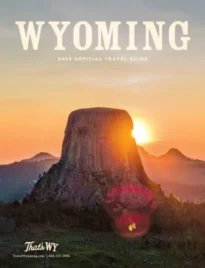
Wyoming Travel Guide
Wyoming remains one of the few places where the American West feels truly wild and untouched. Visitors often find themselves surrounded by jagged mountain peaks and vast plains that stretch toward the horizon without a single building in sight. This state offers a rare chance to step away from the noise of modern life and connect with nature in its rawest form. From the geothermal wonders of the north to the high-desert landscapes of the south, every mile reveals something new. Using a Wyoming Travel Guide helps visitors prioritize the most iconic sights across this massive territory. Travelers typically seek out these wide-open spaces for a sense of freedom that is hard to find elsewhere. Whether someone is planning a Wyoming Vacation for a week or a month, the variety of terrain ensures a unique experience and a true mountain adventure.
Exploring National Parks and Natural Wonders
Yellowstone National Park stands as the primary draw for many people visiting the region. It’s the first national park in the world and contains more than half of the planet’s geysers. Visitors watch Old Faithful erupt with precision while colorful thermal pools like Grand Prismatic Spring create a surreal environment. Walking along the boardwalks allows for a safe way to witness these boiling waters. The Grand Canyon of the Yellowstone offers breathtaking views of massive waterfalls and yellow stone walls.
Just south of Yellowstone sits Grand Teton National Park, known for its iconic granite spires. These mountains rise sharply from the valley floor without any foothills to block the view. Hikers find miles of trails that lead to alpine lakes and hidden glaciers. It’s a prime spot for photographers looking to capture the reflection of the peaks in the still waters of Jenny Lake during sunrise. The silence of the morning air makes the mountain scenery feel even more majestic.
Wildlife viewing is a major part of the experience in these protected areas. Travelers often spot grizzly bears, gray wolves, and massive herds of bison roaming freely across the plains. Seeing an elk or a moose near the riverbanks is a common occurrence for those who stay patient. These encounters remind every visitor that they are guests in a vibrant, living ecosystem that has thrived for centuries. Professional guides offer tours that help people find the best viewing spots while maintaining a safe distance.
Must-See Locations and Cultural Landmarks
- Devils Tower National Monument: This massive igneous intrusion rises 1,267 feet above the Belle Fourche River. It serves as a sacred site for many tribes and a destination for rock climbers.
- Buffalo Bill Center of the West: Located in Cody, this complex features five museums. Visitors learn about firearms history, Yellowstone’s ecology, and the life of the famous scout William Cody.
- National Elk Refuge: Just outside Jackson, this area provides a winter home for thousands of elk. People can take horse-drawn sleigh rides to see the massive herd up close during winter.
- Hot Springs State Park: Located in Thermopolis, this park features water that stays at a constant 104 degrees. Visitors enjoy free soaking in the bathhouse or viewing unique mineral crust formations.
- Cheyenne Frontier Days: Known as the ‘Daddy of em All,’ this event is the world’s largest outdoor rodeo. It celebrates Western heritage through professional competitions and large parades every July.
Seasonal Adventures and Historic Western Charm
Adventure seekers often look beyond the national parks to find excitement in the state’s rugged interior. The Snowy Range and the Bighorn Mountains offer secluded trails for mountain biking and backpacking. During the winter, these same slopes become a playground for snowmobiles and downhill skiers. Places like Jackson Hole Mountain Resort are famous for expert-level terrain and deep powder. Backcountry camping provides an even deeper connection to the wilderness for those with the right gear.
For a slower pace, many visitors look at the small towns that dot the landscape. These communities often retain their frontier charm, with historic downtowns and local saloons. Walking through the streets of Casper or Laramie gives a sense of the ranching history that built the state. Travelers can find high-quality fly fishing in the North Platte River, where trout are plentiful. Local diners serve up hearty meals that reflect the regional flavors and hospitality found in every corner.
Cultural experiences are just as prevalent as outdoor ones. Rodeos happen nearly every night in some towns during the summer, showcasing the skills of modern-day cowboys and cowgirls. Museums and art galleries highlight the work of local creators who draw inspiration from the vast sky and rugged terrain. This blend of history and recreation ensures that every type of traveler finds something that resonates with their interests. Each trip can be customized to focus on quiet solitude or high-energy sports.
Planning a trip to this part of the country allows people to experience a landscape that is both harsh and beautiful. The combination of geological wonders and Western hospitality creates a vacation that stays in the memory long after the drive home. Whether exploring the depths of a canyon or watching a sunset over a high-desert plateau, the sense of scale is always humbling. Every corner of the state offers a different kind of thrill for those willing to look. It remains a premier destination for anyone seeking a true escape from the ordinary and a connection to history. For more details on planning your next trip, consult the Wyoming Travel Guide.